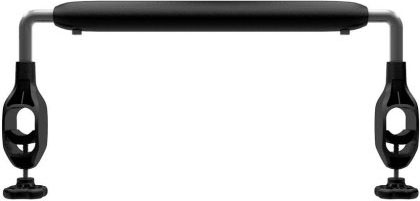

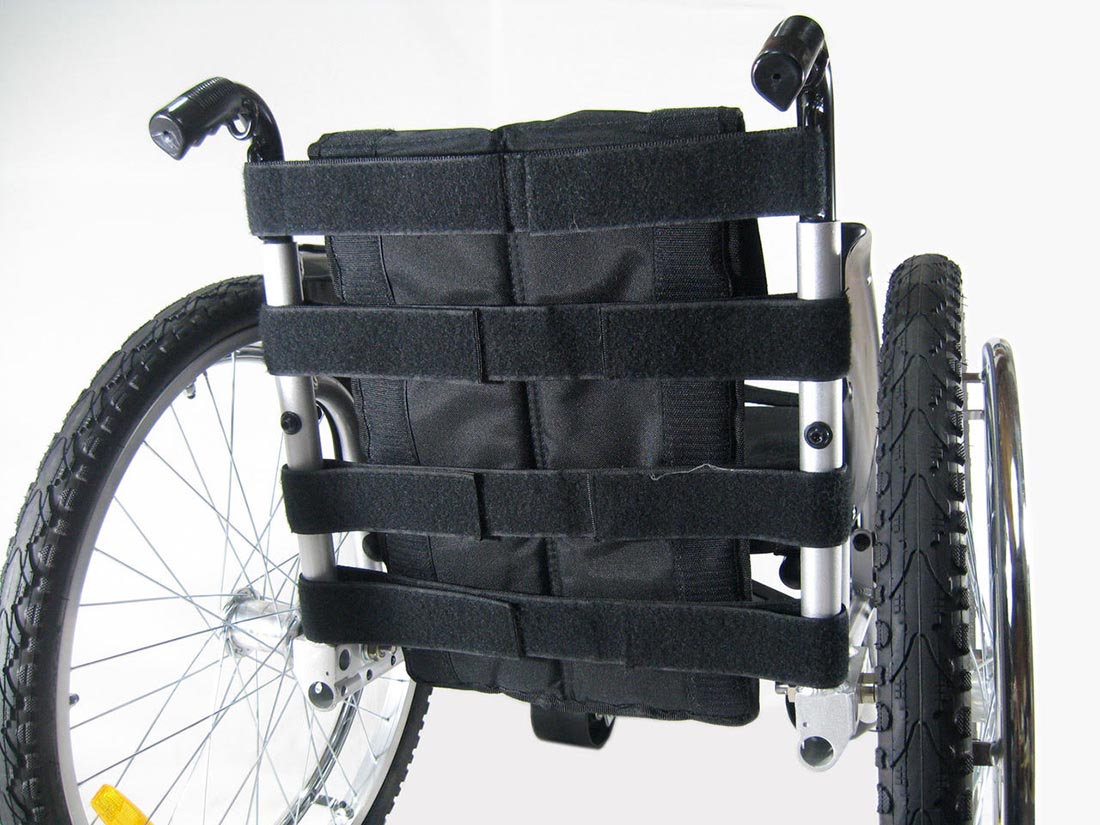
Back Rest: Adjustable height at 12″ (304.8mm), 14″ (355.6mm), 16″ (406.4mm), or 18″ (457.2mm)
Long Wheelbase: Provides outstanding stability and safety from tipping, the number one cause of injury to wheelchair riders
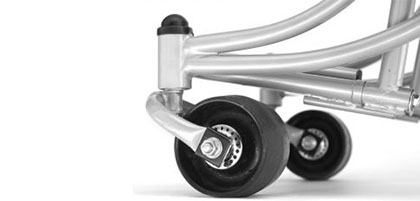
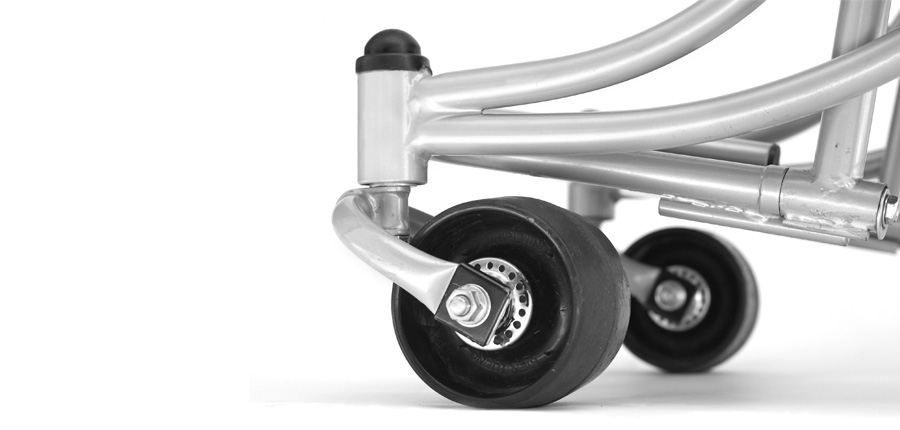
WideFlex Casters: Float over soft surfaces like grass and packed sand and absorb shocks for a smooth ride
Tight Turning Radius: Maneuverable in spaces as tight as less stable chairs
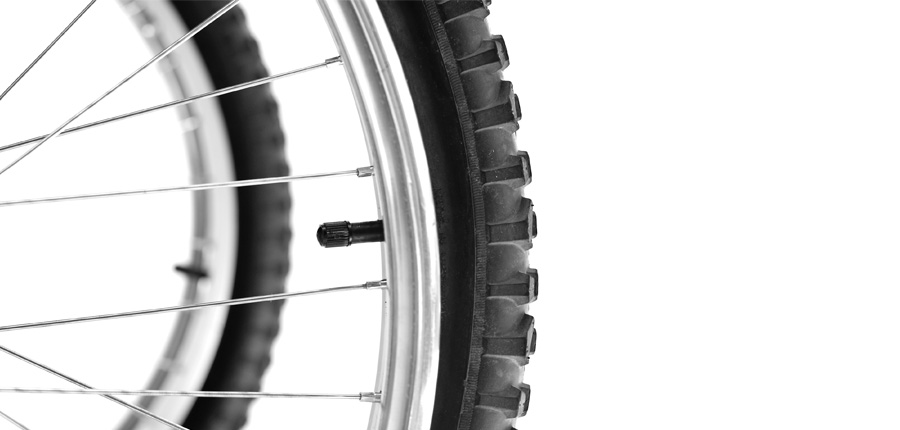
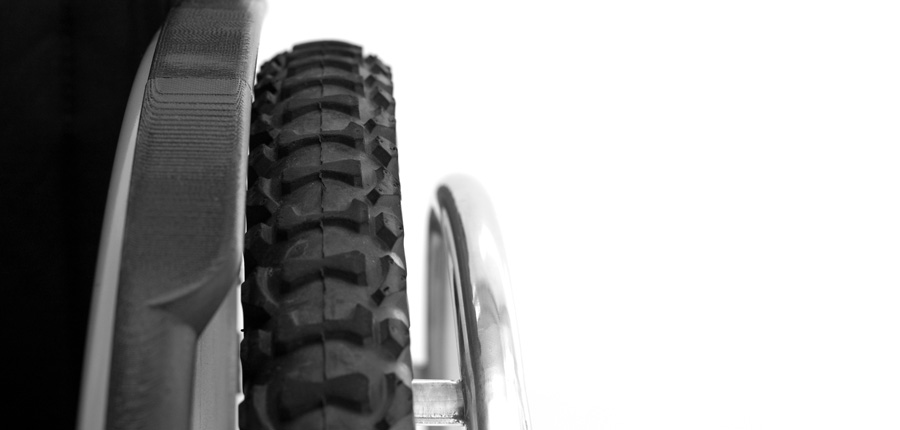
Large Rear Mountain Bike-Type Tires: Perfect for off-road adventures and affordable to replace
Super Duty Tough: Double the industry standard durability performance tests
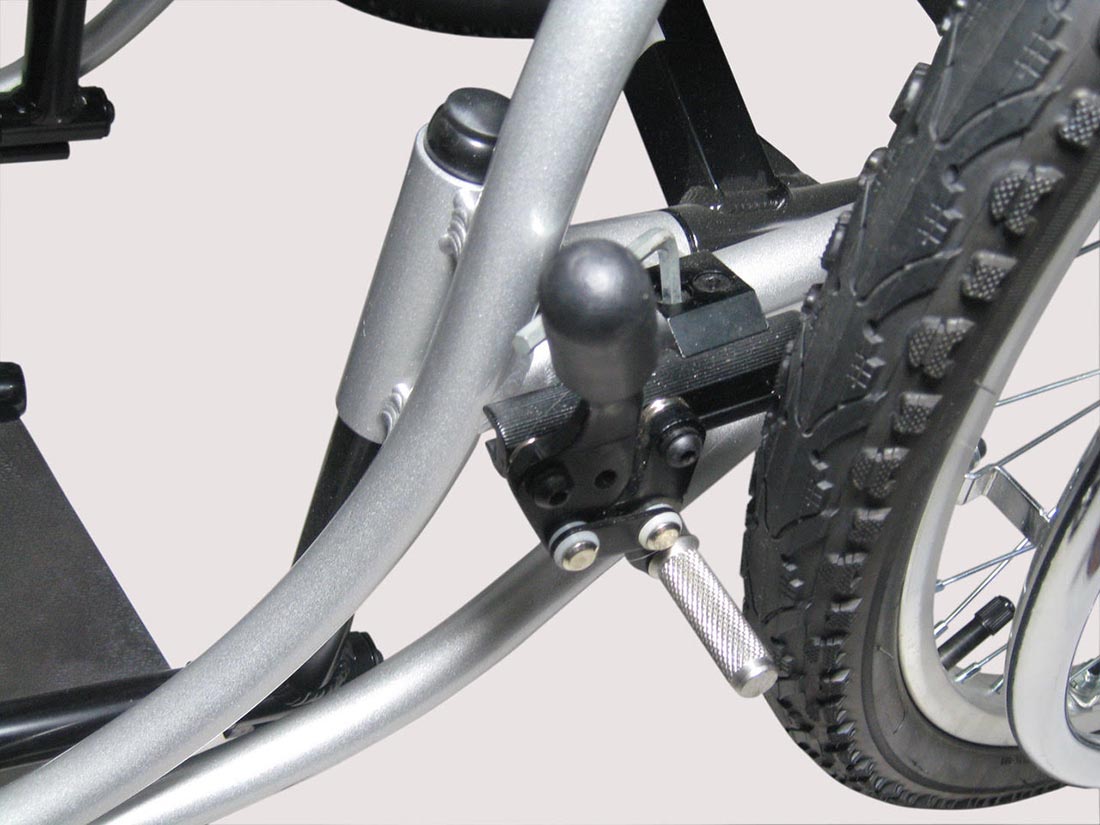
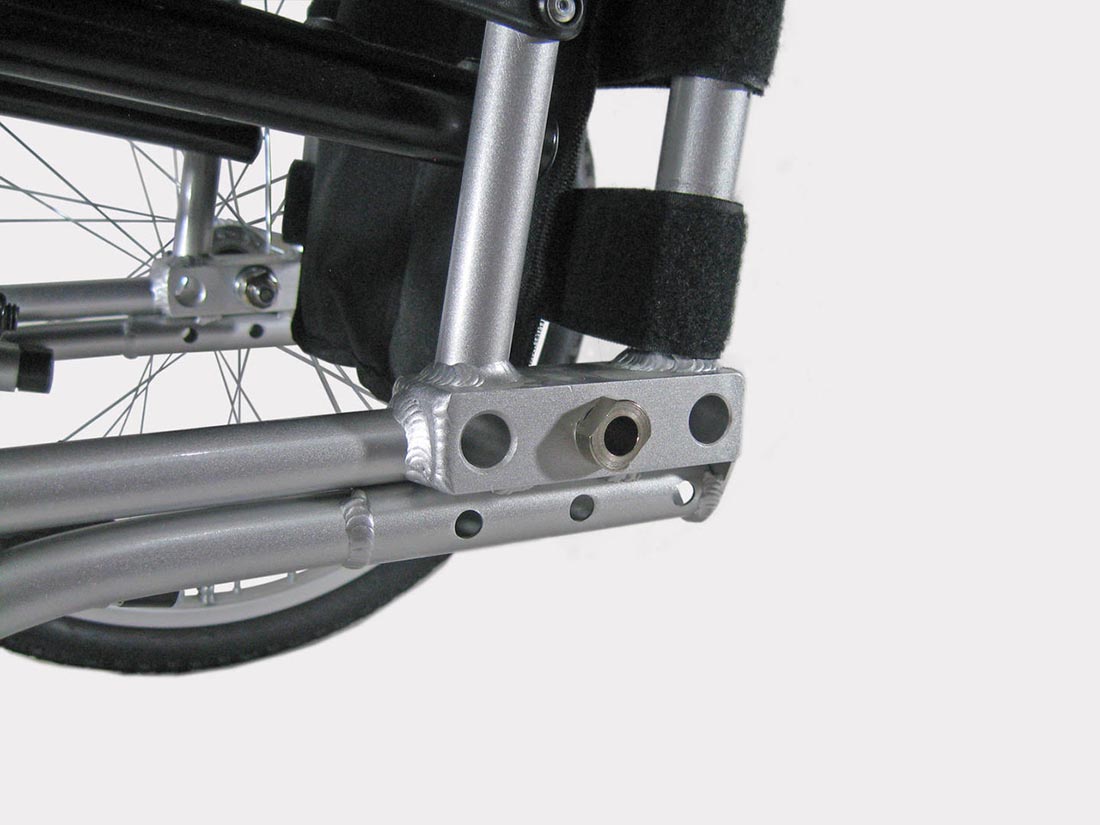
Multi Position Rear Axle: Allows for center of gravity adjustment for optimal balance and performance
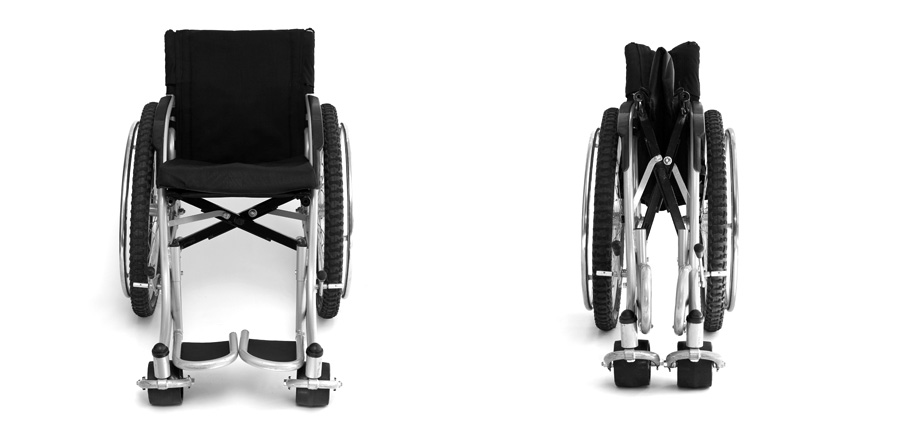
Easy Transport: Simple X-Brace folding design folds flat for storage and travel
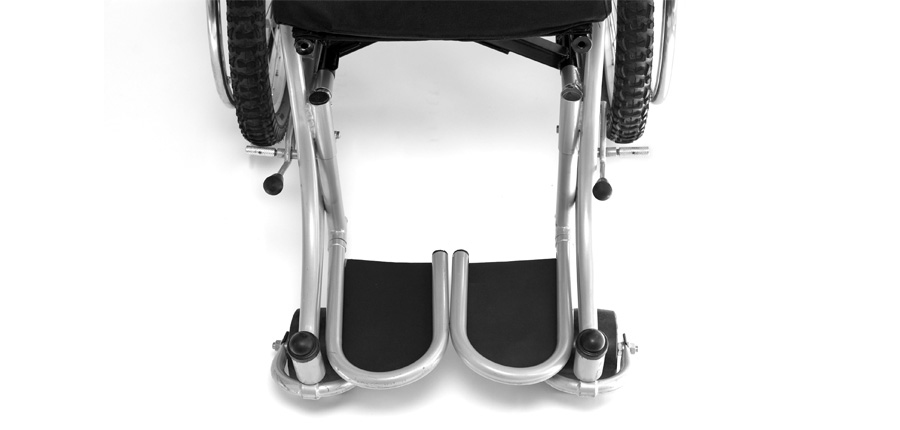
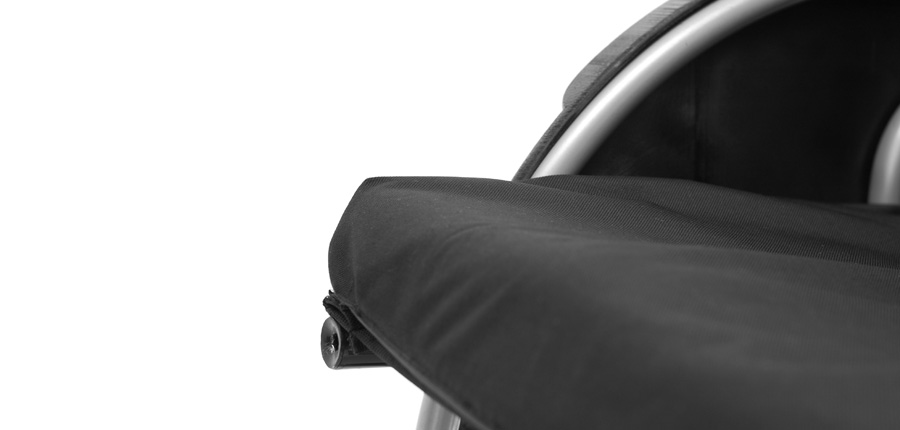
Bucket Seat: Angled seat design keeps the rider secure during sudden stops
Seat Depth: Each chair can be configured to two seat depths (14″-16″ or 16″-18″)
Machine Washable Upholstery
Easily Available Parts: Tires, tubes, hardware, and bearings are easy to find locally
Sporty Wheel Camber: 3 degrees of wheel camber provides ergonomic push rim placement and lateral stability
Push Button Quick Release Wheels: – Now standard on all chairs
Anti-Tippers: Now standard
Note: Pressure relief cushion is now included.
Effective Seat Widths: ** 14 (356), 15.5 (393), 17 (432), 18.5 (470)
Seat Depth: *** 14 (356), 16 (406), 18 (457)
Seat Height: **** 18.75 (476)
Seat Angle: 12 degrees
Seat to Back Angle: 90 degrees
Backrest Height: 12″ (304.8mm), 14″ (355.6mm), 16″ (406.4mm), 18″ (457.2mm)
Footrest Height from Front of Seat: 10 to 14.75 (254 to 375)
Rear Wheel Dimensions: 24 x 1.75 (70 x 45)
Rear Wheel Camber: 3 degrees
Rear Wheel & Caster Barrel Bearings: 6201 (12mm ID x 32mm OD)
Axles: 12 mm
Push Rim Diameter: 19 (483)
Front Wheel Dimensions: 4.3 in. diameter x 3.1 in. width
Front Wheel Bearings: Standard bicycle hub and bearing
Overall Width: 9 in. (22.9) + Seat width
Overall Length: Shortest 36 (914); longest 39 (990)
Wheelbase (Front to Rear Axle): Shortest 19 (483); longest 22 (559)
Rear Wheel Position Adjustment: 3 positions
Weight (without rear wheels): ***** 23 lb (10.4 kg)
Weight (with rear wheels): ***** 33 lb (14 kg)
* Units in inches and millimeters unless specified. Dimensions are based on a new wheelchair, using an out of the box configuration and components.
** Seat width is defined as the distance between the insides of the Side Frames when the chair is opened fully.
*** 18-inch seat depth is available by installing the seat tube extenders.
**** Measured to the front of the seat tube using a 14 x 16” chair.
***** Measured using a 14 x 16” chair as supplied to the customer. Weight may change based on configuration. Weight includes footrests and excludes anti-tips and
any cushion.
It is important that your Aurora fit you well. A poorly fit wheelchair can cause pressure sores and fall-related injuries. A well-fitted wheelchair promotes safety and health and provides the greatest independence through mobility. Take a moment to carefully measure yourself for your Aurora. With the help of your Occupational Therapist or other health care professional, determine the Seat Width, Seat Depth, Backrest Height, and Backrest Angle of your Aurora before ordering.
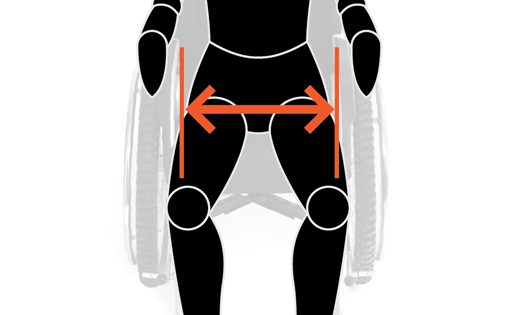
 SEAT WIDTH
To find the distance between your hips, first sit with your pelvis upright on a firm surface. Then measure the distance between the widest points of the hips and the thighs, without compressing any tissue. Finally, record your measurements. It is important not to have a chair that is wider than necessary, as it will be harder to push and may prevent you from passing through narrow doorways.
 SEAT DEPTH
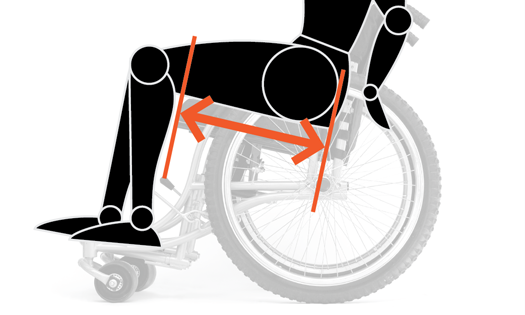
Position yourself seated upright on a firm surface. Measure the length of your upper leg, the distance from behind the knee to the back of the pelvis (back of your lower leg). Subtract 1/2” to find the maximum seat depth, to allow for space between the back of the knee/upper leg and the seat fabric. Record the final measurement.
 BACKREST HEIGHT
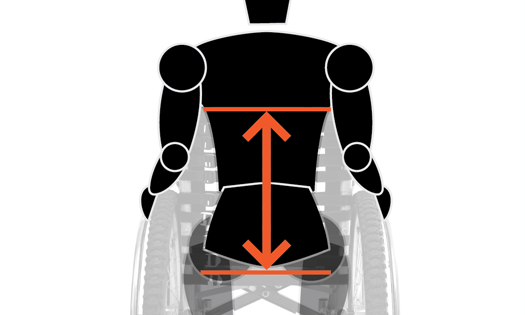
Your preferred backrest height is determined by your personal comfort level and physical ability. We generally recommend that the top of the back support fall just beneath the bottom of the shoulder blade. For less active riders who require more torso support, the back support should be higher, falling just beneath the armpit. Position yourself seated upright on a firm surface. Hold your hands flat against the surface you are sitting on. Measure the distance from the seated surface to the point on your back that is most comfortable for support. To this number add the height of your cushion when you are sitting on it. Record the measurement.
 PREFERRED BACKREST ANGLE
Backrest angles are determined by the rider’s degree of torso control. We recommend that those with limited torso control, such as quadriplegics, sit with a backrest angled farther back to prevent forward tipping in a wheelchair. Those with more torso control, such as amputees, can sit with the backrest more upright. The proper backrest angle is best determined by an occupational therapist or health care professional. However, you can adjust the backrest angle by adjusting the backrest straps (i.e., looser at the bottom and tighter at the top for a more erect position). 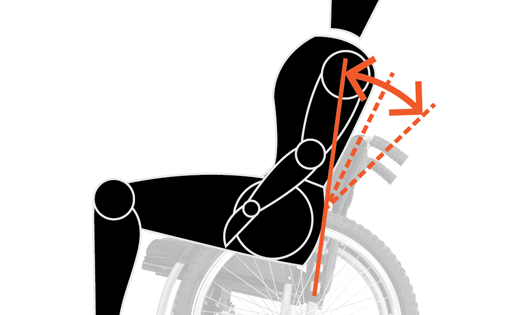
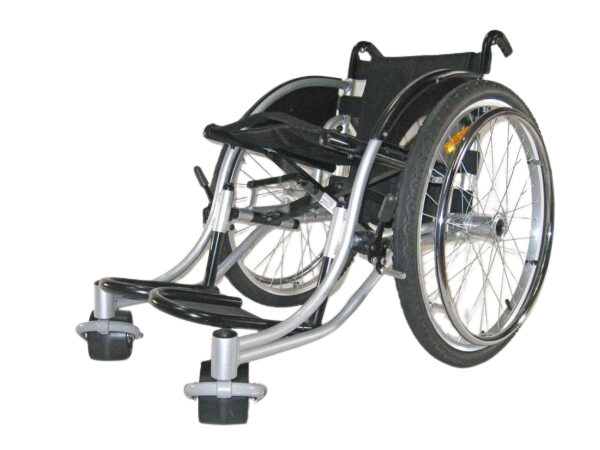
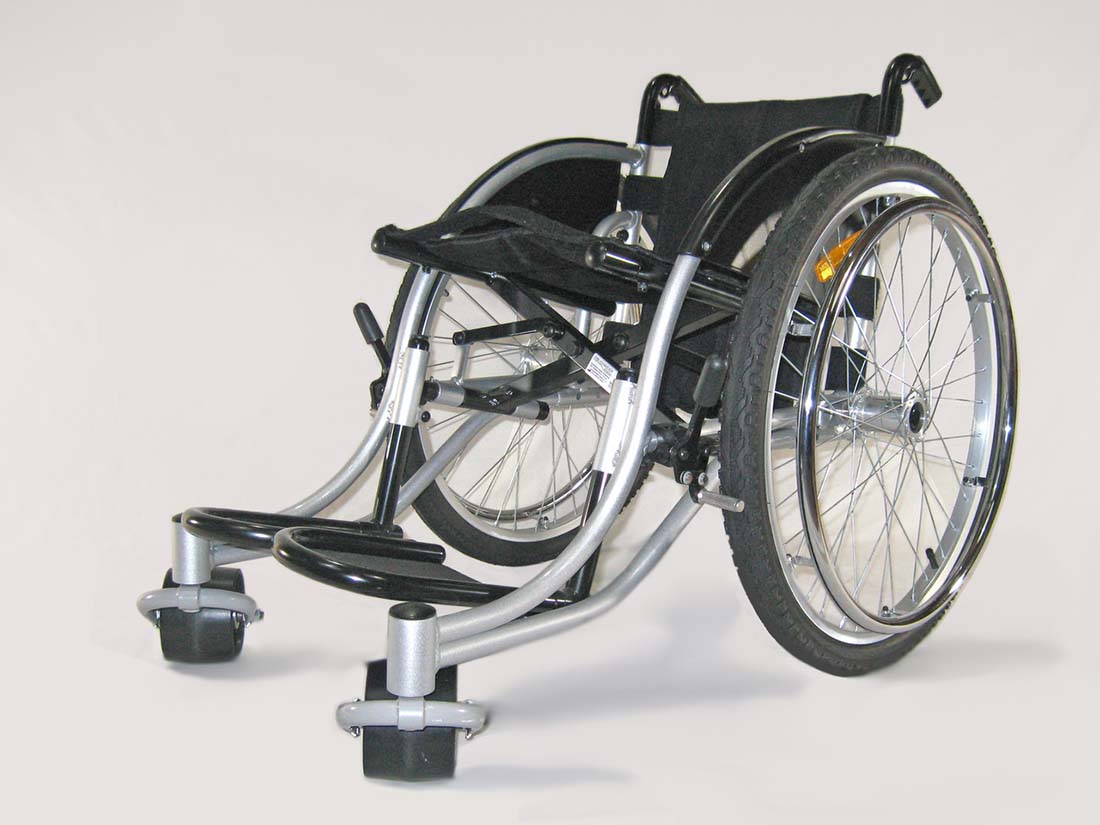
The Aurora is an all-terrain wheelchair built to handle the surfaces standard wheelchairs cannot: trails, packed sand, gravel, grass, and uneven ground. With an aluminum frame, it weighs ten pounds less than the RoughRider, while maintaining the same field-tested geometry, which has been used in over 60 countries by more than 100,000 riders.
People use the Aurora differently depending on their environment. Some use it as a daily chair where rough conditions, unpaved roads, or unpredictable terrain are part of everyday life. Others use it as a second chair for outdoor activities, travel, parks, and rugged environments.
The Aurora costs less than half of comparable lightweight outdoor wheelchairs and is built to a high engineering standard regardless of how often it is used.
Available in the USA and for shipment to Canada, Europe, Australia, and New Zealand. Volume discounts are available for organizations placing bulk orders.
| Weight | 51 lbs |
|---|---|
| Dimensions | 37 × 13 × 27 in |
| Seat Width | 14", 15.5", 17", 18.5" |
| Seat Depth | 14" – 16", 16" – 18" |
| Back Rest Height Adjustable | 15”, 17”, 19”, 21" |